
The Thrill of Uncertainty
The allure of gambling often lies in its inherent uncertainty. The unpredictability of outcomes creates an exhilarating sensation that many individuals find addictive. Each roll of the dice or spin of a wheel can elicit a thrilling rush, providing a break from the monotony of daily life. This element of chance engages our senses and heightens our emotions, making every gamble feel like a new adventure waiting to unfold. Many players explore online options such as australian online pokies payid to enjoy this unpredictable thrill, drawing individuals into the experience as they anticipate what might happen next.
This excitement can trigger a release of dopamine in the brain, a neurotransmitter associated with pleasure and reward. When individuals win, even if it’s a small amount, the brain’s reward system reinforces the behavior, encouraging them to gamble again. Conversely, the potential for loss can create an adrenaline rush, as the fear of losing can be just as powerful a motivator as the thrill of winning. Thus, the psychology of risk plays a pivotal role in why people return to gambling despite the odds. This cycle of risk and reward becomes a compelling reason for many to continue engaging in gambling activities.
Moreover, the thrill is often magnified by the social aspects of gambling. Whether it’s sitting at a table surrounded by friends or joining online communities, shared experiences can enhance the enjoyment and excitement. The camaraderie built during high-stakes games or casual bets can make the experience more enjoyable, transforming gambling into a social event rather than just an individual pursuit. These interactions can further solidify the appeal of gambling, rooted deeply in the social fabric of human behavior, making it a multifaceted experience that combines personal thrill with social engagement.
The Cognitive Biases at Play
Psychology significantly influences how individuals perceive risk and reward in gambling. One of the most notable cognitive biases is the illusion of control, where gamblers believe they can influence the outcome of games based on their decisions or strategies. This false sense of control can drive them to continue placing bets, as they convince themselves that they have the ability to sway the odds in their favor. Such biases can lead to irrational gambling behaviors, often resulting in increased risk-taking. This belief can create a cycle of behavior that keeps players engaged, even when the odds are statistically against them.
Another common cognitive bias is the gambler’s fallacy, which is the belief that past events can influence future outcomes in random games. For instance, someone may think that because a roulette wheel has landed on red several times in a row, it is now due to land on black. This misunderstanding of probability can encourage players to make riskier bets, as they misinterpret the significance of previous results. Such biases reveal how people’s minds can lead them astray when evaluating risk in gambling contexts. The tendency to misinterpret odds can significantly impact decision-making, making it crucial to understand these cognitive traps.
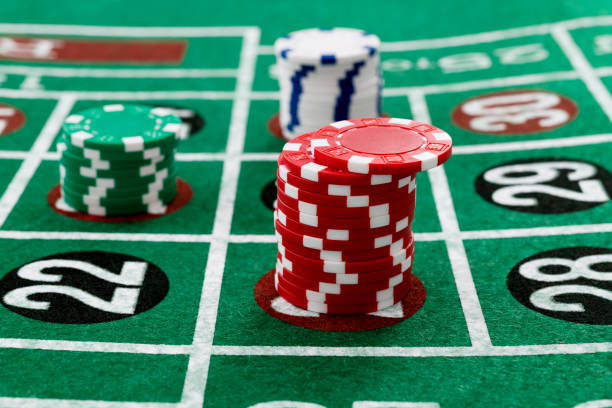
These cognitive biases can be further amplified by the environments in which gambling occurs. Casinos and gambling platforms often employ various strategies to entice players, such as flashing lights, engaging sounds, and the use of attractive rewards. These elements are designed to heighten excitement and distract from the risks involved. By understanding these psychological triggers, one can better comprehend why individuals continually engage with gambling, seemingly oblivious to the potential consequences. The design of gambling environments is intentionally crafted to enhance the experience, further embedding these biases into players’ decision-making processes.
The Role of Escape and Emotion
For many individuals, gambling serves as a form of escapism. In times of stress or personal challenges, engaging in gambling can provide a temporary distraction from life’s problems. The excitement and focus required in gambling can allow individuals to forget their daily challenges, immersing themselves in the thrill of the game. This emotional release can create a powerful association between gambling and relief, reinforcing the desire to engage in risky behavior when faced with adversity. The escape offered by gambling can be particularly alluring, providing an opportunity to momentarily step away from life’s pressures.
Additionally, the emotional highs and lows associated with gambling can be profoundly influential. The sheer joy of a win can be intoxicating, while the despair of a loss can lead to a pursuit of redemption through further gambling. This emotional rollercoaster can create a feedback loop where the highs encourage more gambling, while the lows lead to a continued quest for that elusive thrill. Understanding this emotional dimension is crucial in comprehending why many find themselves drawn to gambling repeatedly. The interplay of joy and disappointment can form a compelling narrative for gamblers, making it difficult to break free from the cycle.
Furthermore, the narrative surrounding gambling often romanticizes the act, portraying it as a path to fortune and success. This representation can be deeply embedded in popular culture, influencing individuals’ perceptions of gambling as a viable means to escape their circumstances. Consequently, the combination of emotional release, escapism, and societal narratives can evoke a compelling desire to gamble, making it a significant aspect of many people’s lives. This cultural backdrop can further entrench gambling as a socially acceptable form of entertainment, reinforcing its appeal in society.
Influences of Social Acceptance
The social acceptability of gambling can significantly shape individual attitudes toward the activity. In many cultures, gambling is not only permissible but celebrated, often seen as a harmless pastime or a thrilling social event. This normalization can lead individuals to gamble more freely, as societal pressures and perceptions influence their choices. The presence of gambling in popular events, such as sports betting during major leagues or poker tournaments, further reinforces its acceptance and encourages participation. The perception of gambling as a fun and exciting activity can make it more appealing, especially in social contexts.

Social factors such as peer pressure can also play a significant role in an individual’s decision to gamble. People often feel compelled to join in when friends or family engage in gambling activities, leading to collective experiences that can heighten the enjoyment. These social dynamics create a sense of belonging and camaraderie that can mask the risks associated with gambling, making it easier for individuals to justify their involvement. The collective thrill of gambling can enhance individual enjoyment, creating a shared experience that contributes to its widespread appeal.
Moreover, the rise of online gambling platforms has transformed the landscape and enhanced social interactions around gambling. Virtual communities allow players to connect, share experiences, and celebrate wins together, further embedding gambling into social culture. As these platforms become more accessible, the social acceptance of gambling continues to grow, encouraging more individuals to participate and reinforcing the psychological mechanisms that drive the love of gambling. The interconnectedness of online platforms creates an environment where gambling is not just an individual pursuit but a community experience, further enhancing its allure.
Understanding Gambling for Better Choices
As the fascination with gambling continues to grow, it is essential to foster a better understanding of the psychological aspects at play. By recognizing the cognitive biases, emotional influences, and social dynamics, individuals can make more informed choices regarding their gambling habits. Awareness can empower individuals to recognize when their gambling behavior may be influenced by irrational thoughts or emotional states, enabling them to take control of their decisions. By understanding these factors, players can approach gambling with a more balanced perspective, helping to mitigate potential negative outcomes.
Additionally, organizations and websites dedicated to promoting responsible gambling play a crucial role in educating players. They can provide resources and support for individuals who may be struggling with gambling addiction, fostering a culture of mindfulness and responsibility in gambling. By equipping individuals with knowledge and understanding, they can strike a balance between enjoying the thrill of gambling and protecting themselves from its potential risks. This proactive approach can help mitigate the adverse effects associated with gambling, promoting healthier engagement with the activity.
Ultimately, the psychology of gambling reflects a complex interplay of factors that contribute to its allure. By embracing a more profound understanding of why we gamble, we can cultivate a safer gambling environment that respects individual autonomy while acknowledging the potent psychological influences at work. This awareness can pave the way for healthier gambling practices and a more sustainable relationship with risk, allowing individuals to engage in gambling in a way that enhances enjoyment without compromising their well-being.
0 Comments